

Fishing With Catalpa Worms: Do They Really Work?
Walk past the right tree in summer and you may find one of the best natural fishing baits growing almost literally over your head.
Catalpa worms are large black-and-yellow caterpillars that appear seasonally on catalpa trees. When I’m fishing them for channel cats, I usually bring a Jenseits 7-foot Medium Heavy two-piece spinning rod, mainly because it handles bottom rigs and larger fish comfortably without making bank fishing cumbersome.
But the real attraction is the bait itself.
Catalpa worms are soft, juicy, naturally scented, and easy for fish to swallow. When they are available, they can catch everything from panfish and bass to channel catfish.
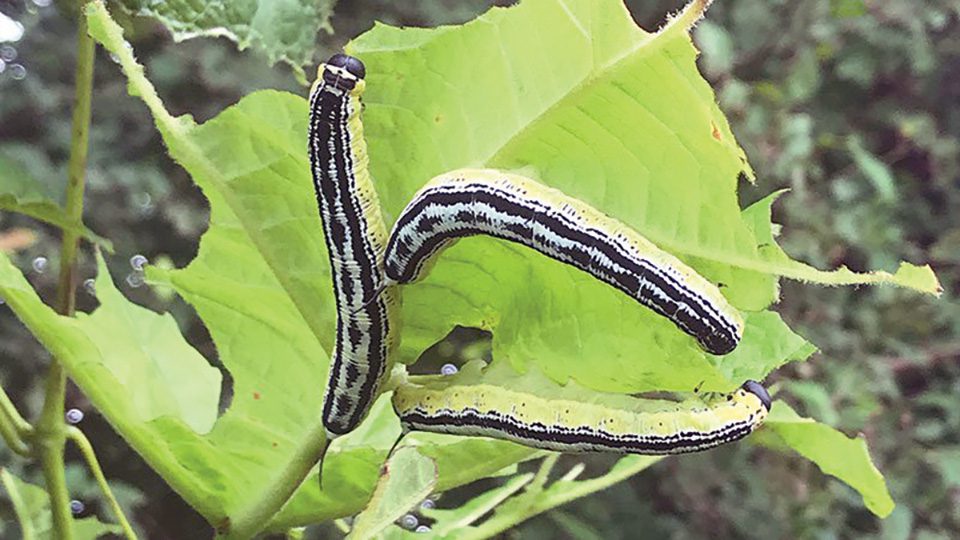 What Is a Catalpa Worm?
Despite the name, a catalpa worm is actually a caterpillar associated with catalpa trees.
They are easy to recognize because of their:
- Dark black or charcoal body
- Yellow or pale markings
- Thick, soft body
- Relatively large size
Their biggest limitation is availability.
Catalpa worms are seasonal, typically appearing during warmer portions of the year rather than being available whenever anglers want them.
That short window is part of what makes them such an interesting natural bait.

How to Find Catalpa Worms
The first step is finding the tree.
Catalpa trees are recognizable by several characteristics:
- Large heart-shaped leaves
- Light green foliage
- White flowers during part of the growing season
- Long bean-like seed pods
Once you identify a tree, look closely at its leaves.
A tree containing a large number of worms may show obvious feeding damage because the caterpillars can consume a significant amount of foliage.
Instead of walking directly to every catalpa tree you see, experienced bait collectors sometimes inspect the canopy from a distance first.
If the leaves look heavily eaten, it's worth taking a closer look.

How to Collect Catalpa Worms
Collecting them is straightforward.
The simplest method is pulling them directly from the leaves.
Gloves can be useful because the caterpillars may release a yellow-green fluid when handled.
For worms higher in the canopy, anglers sometimes use:
- Long poles
- Rope over branches
- Gentle branch shaking
Place freshly collected worms into a ventilated container with a few catalpa leaves.
If kept cool, they can remain usable for several days.
How to Store Catalpa Worms for Fishing
If you're fishing within the next day or two, keeping the worms cool with fresh leaves is usually the simplest method.
For longer storage, they can also be frozen.
One traditional method is:
- Bring water to a light boil.
- Place the worms in the water briefly, roughly one minute.
- Remove them once they become slightly firm.
- Let them dry on paper towels.
- Place them in a freezer bag with a small amount of cornmeal.
- Freeze until needed.
Freezing allows anglers to save part of a good summer hatch for later trips.
Fresh bait is generally the first option I'd fish, but having frozen worms available is better than watching the entire seasonal supply disappear.
Why Do Fish Eat Catalpa Worms?
Natural baits work because fish already recognize many small aquatic and terrestrial animals as food.
Catalpa worms offer several features that make them attractive:
Soft texture makes them easy to swallow.
Natural scent helps fish locate the bait.
Large profile creates a substantial meal.
And once punctured by a hook, their body releases additional scent into the surrounding water.
That combination is particularly useful for catfish.
Catalpa Worms for Channel Catfish
Channel catfish are probably the species most associated with catalpa worm fishing.
They rely heavily on smell and taste when locating food, especially in stained water or around the bottom.
A catalpa worm offers both natural scent and a substantial profile without requiring commercial dip bait or prepared stink bait.
Try them around:
- River holes
- Channel edges
- Riprap
- Submerged wood
- Creek mouths
- Lake points
- Current breaks
A simple bottom rig is usually all you need.

Simple Catalpa Worm Catfish Rig
The original approach is extremely uncomplicated:
Main line → sinker → leader → No. 2 bait-holder hook → catalpa worm
For larger channel catfish, I prefer adapting that into a sliding bottom rig or fish-finder style setup.
The sinker keeps the bait close to the bottom while allowing the fish to pick it up naturally.
When using a catalpa worm, avoid burying the entire hook.
Thread enough of the worm onto the hook to hold it securely while leaving the hook point exposed.
Whole Worm or Cut Worm?
Both can work.
Whole Worm
Use a whole caterpillar when:
- Targeting channel catfish
- Looking for larger fish
- Fishing stronger current
The larger profile also tends to remain on the hook better.
Pieces of Worm
Cut pieces work well when targeting:
- Bluegill
- Bream
- Smaller catfish
- Other panfish
One large worm can provide several baits when fish aren't particularly selective.
Don't Forget Bass and Panfish
Catalpa worms are not exclusively catfish bait.
Bass and panfish can also eat them, especially around trees and shoreline areas where insects naturally enter the water.
For panfish, use smaller sections on lighter hooks.
For bass, a whole worm can be drifted naturally around:
- Shaded banks
- Overhanging trees
- Wood
- Slow current
The key is keeping the presentation natural rather than adding excessive movement.
Best Time to Fish Catalpa Worms
The obvious answer is:
When the worms are naturally available.
That usually puts catalpa worm fishing into a summer pattern.
This timing can actually help anglers because fish are already accustomed to insects falling into the water during warm weather.
Early morning and evening are obvious periods to try, but catfish can feed throughout the day, especially in stained rivers or deeper water.
A Practical Catalpa Worm Setup
For channel catfish, a straightforward combination is:
Rod: 7-foot Medium Heavy spinning rod
Reel: Medium-size spinning reel
Main Line: 15–30 lb braid or mono
Leader: Abrasion-resistant mono or fluorocarbon
Hook: No. 2 bait-holder hook or appropriately sized circle hook
Rig: Sliding bottom rig
Bait: One fresh catalpa worm
A Jenseits 7ft MH two-piece spinning rod works well for this kind of general river or bank fishing because it provides enough backbone for bottom rigs while remaining portable.
For panfish, switch to a much lighter rod and smaller hook.
Are Catalpa Worms Actually Worth Using?
Yes—when you can find them.
They aren't a replacement for every proven bait, and their seasonal availability means you can't build an entire fishing year around them.
But when a productive catalpa tree is loaded with worms, they're essentially a free supply of fresh natural bait.
And for channel catfish in particular, that's hard to ignore.
Final Thoughts
Catalpa worms are one of those old-school fishing baits that still make plenty of sense.
They're:
Natural.
Highly scented.
Easy to rig.
Effective on multiple freshwater species.
Their biggest disadvantage is simply finding them at the right time.
So if you discover an active catalpa tree this summer, don't just walk past it.
Grab a container.
You may be looking at your next batch of channel catfish bait.


